
Top Foods & Vitamins to Support Male Vitality
Discover how smart, low-sugar nutritional choices can powerfully support male energy, stamina, and overall wellbeing. Our editorial team explores the science-backed foods and key micronutrients that belong on every man's plate.
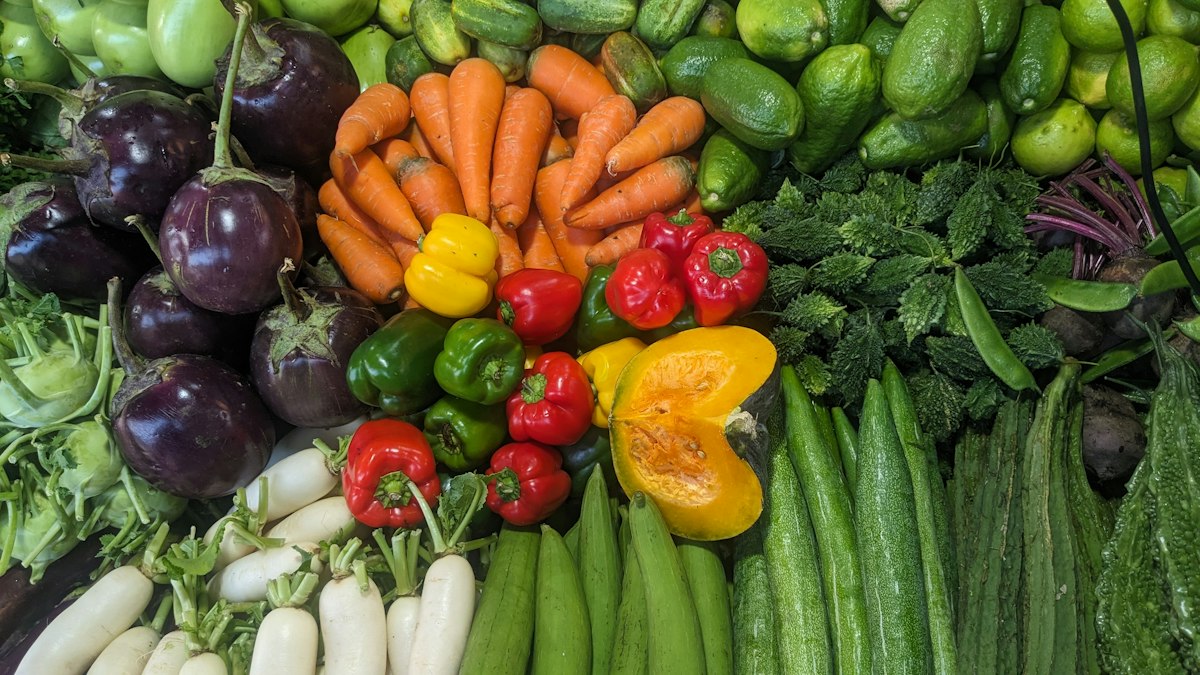
Want a practical daily nutrition plan? Start with our in-depth guide.
Learn MoreWhy Nutrition Is the Foundation of Male Vitality
Modern research increasingly points to diet as a primary lever in sustaining male energy and reproductive wellbeing. These three pillars summarize what our editorial team found most significant.
Zinc Deficiency Is Widespread
A large share of men in Western countries consume less zinc than recommended daily. Zinc plays a central role in hormone balance, sperm health, and sustained energy — yet it remains overlooked in typical modern diets.
Vitamin D & Male Wellbeing
Studies repeatedly highlight that insufficient vitamin D correlates with lower energy, mood imbalances, and reduced stamina. In France, limited sunshine during winter months makes dietary sources of vitamin D especially important for men year-round.
Antioxidants & Cellular Health
Antioxidants found in deeply colored vegetables and berries protect cells from oxidative stress — a key factor in maintaining male vitality as men age. A diet rich in these compounds supports circulation, endurance, and overall reproductive health.
9 Power Foods Every Man Should Eat
Our nutrition writers reviewed the latest research to curate this list of foods with the highest potential to support male energy, stamina, and hormonal balance — all naturally low in sugar.
Oysters
Often called nature's zinc powerhouse, oysters contain more zinc per serving than virtually any other food. Zinc is essential for sperm quality, hormonal regulation, and sustained physical energy in men of all ages.
Read article
Spinach
Spinach is loaded with magnesium, folate, and nitrates that support healthy blood flow and muscle function. Magnesium in particular is closely linked to hormonal balance and energy metabolism — both critical for male vitality.
Read article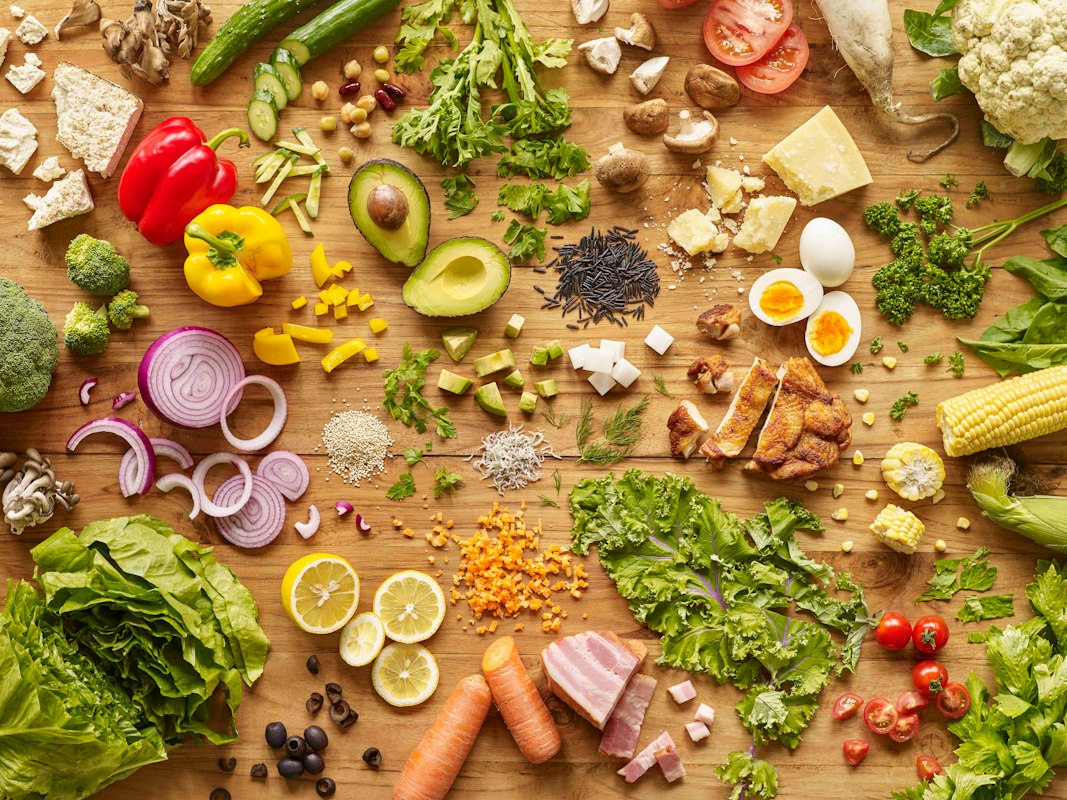
Walnuts
Rich in omega-3 fatty acids and arginine, walnuts help maintain healthy blood vessel function and support circulation. Research suggests regular walnut consumption is associated with improved markers of reproductive health in men.
Read article
Eggs
Whole eggs are one of the few naturally occurring food sources of vitamin D, alongside high-quality protein and B vitamins. The egg yolk in particular provides fat-soluble nutrients that support energy production and hormonal function.
Read article
Pumpkin Seeds
A small handful of pumpkin seeds delivers a concentrated hit of zinc, magnesium, and plant-based omega-3s. These nutrients collectively support reproductive wellbeing, reduce oxidative stress, and help maintain steady energy levels throughout the day.
Read article
Salmon
Salmon stands out as one of the best sources of both vitamin D and long-chain omega-3 fatty acids. These nutrients work together to reduce inflammation, support cardiovascular function, and maintain the hormonal environment needed for male vitality.
Read article
Garlic
Garlic's active compound allicin has been studied for its role in supporting healthy circulation and reducing arterial stiffness — two factors highly relevant to male stamina and physical performance. Including raw or lightly cooked garlic regularly is one of the simplest dietary habits a man can adopt.
Read article
Avocado
Avocados are remarkably rich in vitamin E, potassium, and monounsaturated fats — a combination that nourishes hormone-producing tissues and supports cardiovascular circulation. Their low glycemic profile makes them a perfect fit for the low-sugar approach our platform champions.
Read article
Dark Chocolate (85%+)
High-cocoa dark chocolate is packed with flavonoids that promote nitric oxide production — a molecule critical for healthy blood vessel dilation. Choosing chocolate with 85% cacao or higher keeps sugar to a minimum while delivering real cardiovascular and mood-related benefits.
Read articleZinc & Vitamin D: The Two Pillars of Male Reproductive Nutrition
Among the many micronutrients that matter for male wellbeing, zinc and vitamin D consistently emerge as the most studied and most impactful. Zinc participates in more than 300 enzymatic processes, many of which directly regulate hormonal balance. Without adequate zinc, the body struggles to maintain normal levels of key reproductive hormones.
Vitamin D, while technically a hormone precursor, is obtained primarily through sunlight exposure — something many French men lack during autumn and winter months. Dietary sources such as fatty fish, egg yolks, and fortified products fill this gap effectively when consumed regularly. Research links optimal vitamin D levels with better physical endurance, mood stability, and reproductive health markers.
The good news is that both nutrients are abundantly available through food. A plate centered around salmon, leafy greens, eggs, and a handful of pumpkin seeds can meaningfully contribute to your daily requirements of both — no supplementation necessary for many men who eat mindfully and diversely.

Want to Build a Vitality-First Meal Plan?
Our guides section breaks down exactly how to structure breakfasts, lunches, and dinners to maximize your intake of the key nutrients covered in our articles.
Browse Our GuidesHow to Build Your Daily Vitality-Boosting Nutrition Plan
Knowing which foods are beneficial is only the first step. Our editorial team put together this straightforward four-step framework so you can start making real changes today.
Audit Your Current Plate
Before adding new foods, take a week to observe what you currently eat. Note how often you include zinc-rich proteins, leafy greens, and healthy fats. Most men discover they eat the same 6–8 meals on rotation — this awareness is the essential starting point for meaningful dietary improvement.
Swap, Don't Overhaul
Sustainable dietary change rarely comes from complete overhauls. Instead, make targeted swaps: replace white bread with a slice of sourdough topped with avocado, swap a sugary snack for a handful of walnuts or pumpkin seeds, and choose salmon or mackerel over processed deli meats at lunch. These small changes compound remarkably over weeks.
Prioritize Color and Variety at Dinner
Dinner is often the meal with the most preparation time, making it the ideal place to introduce the greatest nutritional variety. Aim to include at least two differently colored vegetables, a quality protein source (eggs, fish, or lean meat), and a healthy fat such as olive oil or sliced avocado. This formula naturally covers most of the key vitamins and minerals linked to male vitality.
Track Progress Over 30 Days
After implementing your new nutrition habits, give yourself a full 30 days before evaluating results. Observe shifts in your energy levels during the afternoon, sleep quality, and morning alertness — these are among the first areas most men notice improvement when they consistently eat the right foods. Keep a simple daily journal to capture these changes objectively.
What Our Readers Are Saying
Real feedback from men who applied the nutritional principles we cover in our articles.
"I started adding salmon three times a week and swapping my afternoon biscuits for pumpkin seeds after reading the Lowsugarmeals articles. Within a month, my energy during work hours noticeably improved and I stopped hitting that 3pm wall every day."
— Matthieu R., Lyon
"As a type-2 diabetic, I was always worried about what to eat. Lowsugarmeals gave me clear, practical guidance on blood-sugar-friendly proteins and fats. My GP was genuinely impressed at my last check-up — my HbA1c dropped from 58 to 49 in three months."
— Sandra K., Birmingham
"I was sceptical at first — I thought eating more fat meant gaining weight. The Lowsugarmeals articles on healthy fats completely changed my perspective. I've lost significant weight in ten weeks without ever feeling deprived, and my skin looks better than it has in years."
— Ines T., Barcelona
Frequently Asked Questions
Everything you need to know about eating well for stable blood sugar.